Tesla Develops High-impact Aluminum Alloys for Die-cast Electric Car Parts
- July 14, 2021
- Industry News
According to foreign media reports, a new Tesla patent shows that the company has developed a new kind of aluminum alloy, and it has high strength and good conductivity, which can be used for die-cast electric vehicle parts.
Before, rumor has that Tesla was cooperating with SpaceX to develop new materials for the earth and space. The two companies developed new and advanced materials and formed an engineering team for their products. The team was established in 2016. The CEO of Tesla, Elon Musk, hired an alloy expert from Apple Inc, Charles Kuehmann, who is also in charge of the materials engineering business of Tesla and the team.
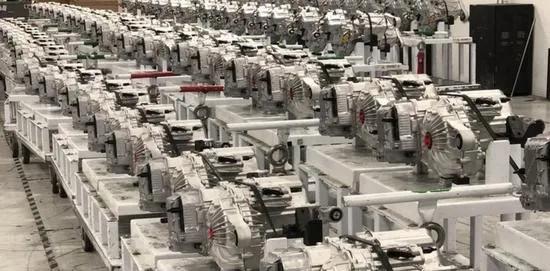
Now, we know that a new kind of aluminum alloy used for die casting part is developed by the Tesla's team led by Kuehmann. A new patent application from Tesla indicates that they're now working on the following problem of the aluminum alloy. There are two types of commercial cast aluminum alloys, that is, commercial cast aluminum alloys with high strength and good conductivity. For instance, the yield strength of the aluminum alloy yield strength is higher than 175MPa and its conductivity is about 40% IACS. On the contrary, the conductivity of aluminum alloy 100.1 is greater than 48% IACS, but its yield strength is lower than 50 MPa.
For the part used to cast electric vehicles such as rotors or inverters, aluminum alloys are required to have both high strength and good conductivity. Moreover, forged alloys cannot be used, because parts need to be manufactured by a casting process. In contrast, manufacturing parts by a casting process is better, such as low-pressure, high-speed metal injection and high-pressure die casting. They can manufacture parts faster and more reliable. The alloy must be able to maintain its properties to meet the necessary requirements after casting. For example, poor castability of the alloy can cause hot tearing and filling problems, which often makes the mechanical and electrification properties of the final casting parts worse.
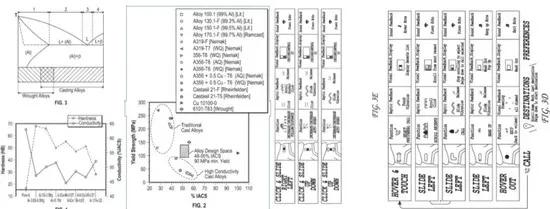
Therefore, Tesla's goal is to create an alloy with high yield strength, good conductivity and hot tearing resistance for die-cast drive unit components. Tesla said that the yield strength of its new alloy increased from 90 to 150MPa compared with the above data, the electrical conductivity 40% to 60% IACS.
Tesla also said that the new alloy could be used for die casting parts. In a certain case, the alloy has proper fluidity to ensure that it can fill the entire mold and make the mold shape correctly, so that the alloy is able to resist hot tearing when the die casting is solidified and maintain the required yield strength.
Before, rumor has that Tesla was cooperating with SpaceX to develop new materials for the earth and space. The two companies developed new and advanced materials and formed an engineering team for their products. The team was established in 2016. The CEO of Tesla, Elon Musk, hired an alloy expert from Apple Inc, Charles Kuehmann, who is also in charge of the materials engineering business of Tesla and the team.
Now, we know that a new kind of aluminum alloy used for die casting part is developed by the Tesla's team led by Kuehmann. A new patent application from Tesla indicates that they're now working on the following problem of the aluminum alloy. There are two types of commercial cast aluminum alloys, that is, commercial cast aluminum alloys with high strength and good conductivity. For instance, the yield strength of the aluminum alloy yield strength is higher than 175MPa and its conductivity is about 40% IACS. On the contrary, the conductivity of aluminum alloy 100.1 is greater than 48% IACS, but its yield strength is lower than 50 MPa.
For the part used to cast electric vehicles such as rotors or inverters, aluminum alloys are required to have both high strength and good conductivity. Moreover, forged alloys cannot be used, because parts need to be manufactured by a casting process. In contrast, manufacturing parts by a casting process is better, such as low-pressure, high-speed metal injection and high-pressure die casting. They can manufacture parts faster and more reliable. The alloy must be able to maintain its properties to meet the necessary requirements after casting. For example, poor castability of the alloy can cause hot tearing and filling problems, which often makes the mechanical and electrification properties of the final casting parts worse.
Therefore, Tesla's goal is to create an alloy with high yield strength, good conductivity and hot tearing resistance for die-cast drive unit components. Tesla said that the yield strength of its new alloy increased from 90 to 150MPa compared with the above data, the electrical conductivity 40% to 60% IACS.
Tesla also said that the new alloy could be used for die casting parts. In a certain case, the alloy has proper fluidity to ensure that it can fill the entire mold and make the mold shape correctly, so that the alloy is able to resist hot tearing when the die casting is solidified and maintain the required yield strength.

Related News
- Impact of Heat Treatment on Mechanical Properties and Thermal Conductivity of ZL102 Alloy
- Impact of T6 Heat Treatment on ADC12 Aluminum Alloy Properties
- Enhancing the Mechanical Properties of ADC12 Aluminum Alloy via T6 Heat Treatment
- Die-Casting Process Design of Valve Bodies for Automobile Oil Cylinder Parts
- Temperature Field Simulation & Optimization of Automotive Housing Die Castings
- Research Status of High-Impact Aluminum Alloys Domestically and Internationally
- Die-cast Aluminum Castings for High-speed Rail Rocker Arm Shells
- Aluminum Alloys for Automobile Body Panels
- Analysis and Measures of Internal Shrinkage Cavities in Aluminum Die Castings
- Advantages of Aluminum Alloys in Lightweight Automobiles
Contact